Morning Girl by Michael Dorris
Morning Girl by Michael Dorris. Hyperion, 1992.
Dorris hooks the reader with voice and woos her with lovely prose: personification like “the day welcomed me, brushed my hair with its breeze, greeted me with its songs” (5). The alternating POV chapters are interesting and risky for this age group. Yet I found the voice of each chapter distinct.
On pg. 27 Star Boy (brother to Morning Girl) is hiding after losing his father’s canoe. He thinks, “I closed my eyes and concentrated on being a rock. I sank so deep into the ground that no digging stick could roll me from my hole. I became so hard that no tree or bush could take root on my surface.” It’s vivid, clear, yet develops setting and character beautifully. He goes on to describe things he can feel as a rock that he can’t as a boy, like shadows moving over him.
And Morning Girl wanting to see her face, and finding “two pretty girls” in her father’s eyes made me cry.
- This is a book to dissect for theme. Names, self-knowing, understanding.
- The epilogue from Columbus is chilling to my very soul. Ugh. It went from tender family story to horror novel in that final, masterful page.
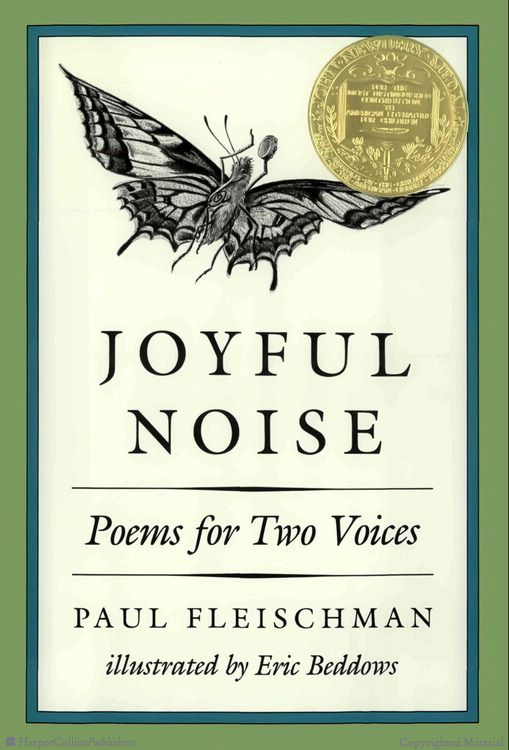
This book was made up of poems from different points of view and usually in differing and discernible voices all telling one story.
The plot, though ... the story seemed to end at the wrong spot. It ended with...
The power of a great opening: Pullman’s The Golden Compass begins, “Lyra and her daemon moved through the darkening hall, taking care to keep to one side, out of sight of the kitchen.” We see a bit of each method of creating conflict. We know...
Lowry opens The Giver with a description of fear and immediately cements the unusualness of the world she’s created as well as giving us insight into the young protagonist, Jonas. She also is so deliciously good at creating a Utopia that seems wonderful, at the start, and only slowly...
The intro is sort of dry, but the melding of fiction and nonfiction with fascinating detail on construction held my interest to the end. Yet why was there such a need for bathing? (I know it’s ritual bathing, but the text doesn’t tell me this.) There’s a ton of info on engineering, but not much...
Lear was the youngest of 21 children and was brought up by his sister, who cared for him until he was nearly 50. He was an eternal child with “invincible boyishness,” according to the editor. This collection...
The style is hysterically understated and plays off stereotypes of the grumpy farmer and meddlesome wife. I found...
This is a Charlotte Zolotow book, which is no surprise. Such lovely language, metaphor, all the poetic devices one learns in school. I don’t read music, but this reads like I imagine music to be read...
Rich and fun fantasy. Ibbotson starts off with quaint Brittishisms, ghosts, and secret doors to other worlds. What’s not to love? Loads of fantastical invention and a heavy dose of political correctness. Atmospheric with a distant 3rd person narrator, similar in voice to others like...
Would it be admitting ignorance to say I don’t like poems I don’t understand? I mean, I sort of understand “The Perceiving Self,” but I mostly don’t. It makes me wonder...
In honor of a very special day, I thought I'd revive this old post about a book I found, um, intriguing, with some interesting asides...